




A practical knowledge hub for navigating air freight to Harare—covering routes, risks, customs, and cost decisions that actually impact delivery outcomes.
Shipping to Harare by air freight is shaped by global airline networks, regional hub dependencies, and destination handling constraints rather than direct point-to-point movement.
Cargo typically moves through transit hubs such as Dubai or Johannesburg before reaching Zimbabwe, where routing logic, capacity, and processing conditions define how efficiently shipments are delivered.
Shipping to Harare is shaped by routing decisions, timing variability, and cost structure. To understand how cargo actually moves, explore Air Freight Routes, evaluate Transit Time, and review the full Cost Breakdown before planning your shipment.
Most cargo moves through regional hubs, not direct flights. Routing defines speed and reliability.
Delays are rarely about flight time. They happen at hubs and during arrival handling.
Costs go beyond freight rates. Surcharges and destination fees shape the final price.
Clearance depends on accuracy. Small document errors can delay entire shipments.

What happens after cargo arrives—and why handling capacity can impact delivery timelines more than the flight itself.

A practical comparison of speed, cost, and logistics complexity when choosing the right shipping method.

The essential paperwork required for smooth clearance, and how small errors can delay entire shipments.

An overview of regulated, restricted, and prohibited items to avoid compliance issues and shipment rejection.

Shipping to Harare is not defined by distance but by logistics structure. Cargo moves through interconnected systems—global airline networks, regional hubs, and destination handling constraints—before reaching its final point in Zimbabwe.
This platform is built to break down those systems into clear, practical insights. Each section focuses on a critical part of the process—from routing and transit time to cost and customs—so you understand not just how shipments move, but why delays, costs, and risks occur.
Ben Triggs is the editorial voice behind iousathemovie.com, focusing on air freight systems, international cargo movement, and real-world logistics strategy. His work centers on breaking down complex shipping structures into clear, practical insights—covering routes, transit behavior, cost dynamics, and customs processes.
With a system-first approach, Ben examines how global air cargo networks, regional hubs, and destination constraints shape outcomes when shipping to Harare. His editorial perspective is built on understanding logistics as an interconnected system rather than isolated transactions, helping readers make more accurate and informed decisions.

How cargo actually moves through global hubs before reaching Zimbabwe.
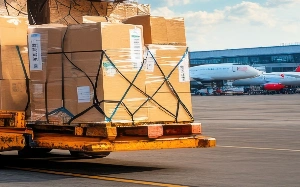
Where delays happen in the logistics chain—and why they are rarely about flight time.

A clear look at base rates, surcharges, and destination costs.
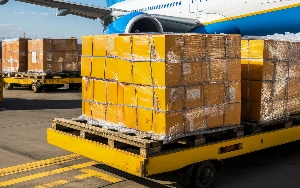
How the import process works and what causes delays at clearance stage.
Understanding Shipping to Harare requires more than knowing routes or prices. It demands a clear view of how timing, cost, handling, and compliance interact within a single logistics system.
Recent Articles
Once cargo arrives in Harare, handling efficiency becomes a defining factor. Limited capacity, processing time, and operational constraints at the airport can impact delivery timelines more than the flight itself.
Shipping to Zimbabwe requires balancing speed, cost, and risk. While air freight offers faster delivery, sea freight may provide cost advantages. Choosing the right method depends on cargo type, urgency, and overall logistics strategy.
Accurate documentation is essential for successful shipping to Harare. Missing or incorrect paperwork can lead to delays, penalties, or cargo holds. Understanding required documents ensures smoother customs clearance and delivery.
Not all goods can be shipped freely into Zimbabwe. Certain items are restricted or prohibited under local regulations. Identifying these restrictions early helps avoid compliance issues and potential shipment rejection.