


shipping to Harare

Shipping to Harare:
Air Freight Insights

A practical knowledge hub for navigating air freight to Harare—covering routes, risks, customs, and cost decisions that actually impact delivery outcomes.

Transit Time to Harare: Why Air Freight Delays Actually Happen

Ben Triggs

Ben Triggs

Ben Triggs is a global shipping specialist with nearly two decades of experience in freight movement to complex destinations like Harare. He provides practical, experience-driven insights on international logistics, customs strategy, and supply chain efficiency—cutting through theory to focus on what actually works.
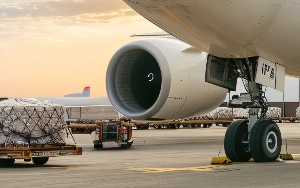
Transit time to Harare is often treated as a fixed estimate. In reality, it is a variable outcome shaped by multiple stages of the air freight process—many of which occur after the aircraft has landed.

For a complete understanding of how transit fits into the broader system, it helps to look at the full structure of shipping to Harare by air freight, where routing, handling, and clearance all interact.

Why Transit Time Is Often Misunderstood

Standard transit estimates usually reflect flight duration and scheduled connections. However, this only represents a portion of the total timeline. The majority of delays occur within logistics processes that are not visible in airline schedules.

These include cargo transfers, handling queues, customs processing, and local operational constraints at destination.

How Transit Time to Harare Actually Works

Air freight into Harare follows a multi-stage process. Each stage introduces variability that affects the final delivery timeline.

1. Origin Handling and Departure

Before departure, cargo is consolidated, documented, and prepared for export. Delays at this stage are usually minimal but can occur during peak shipping periods.

2. Hub Transfers and Re-routing

Most shipments pass through major hubs such as Dubai or Johannesburg. At these locations, cargo is unloaded, sorted, and reassigned to connecting flights.

This is one of the most critical delay points. Cargo may wait for available capacity, especially when flights are fully booked or rescheduled.

3. Flight to Harare

The flight segment into Harare is typically not the main cause of delay. Even when flights operate on schedule, delays can still occur before or after this stage.

4. Arrival Handling in Harare

Once cargo arrives, it enters a handling process at the airport. Limited capacity and processing speed can create backlogs, particularly during high-volume periods.

5. Customs Clearance and Release

After handling, shipments must clear customs before release. Any documentation issues or inspection requirements can extend the timeline significantly.

Where Delays Actually Happen

Transit delays are rarely caused by the aircraft itself. Instead, they occur at key pressure points within the logistics chain:

  • Hub congestion: cargo waiting for connecting flights
  • Transfer handling: delays in unloading and reloading shipments
  • Arrival processing: limited handling capacity at destination
  • Customs clearance: documentation or compliance issues

The Role of Hub Dependency

Because Harare relies on indirect routing, transit time is heavily influenced by hub performance. If a hub experiences congestion or delays, it impacts all downstream shipments.

This dependency means that even well-planned shipments can experience variability beyond the control of the shipper.

Why Transit Time Estimates Often Fail

Transit time estimates assume ideal conditions. In practice, these conditions rarely exist consistently across all stages of the logistics chain.

Common reasons estimates fail include:

  • Unexpected cargo volume at hubs
  • Flight rescheduling or capacity constraints
  • Delays in handling or documentation processing
  • Operational limitations at destination

Strategic Insight: Transit Time Is a System Outcome

Transit time to Harare should not be viewed as a fixed number. It is the result of multiple interconnected processes working together.

Understanding this allows for better planning, more realistic expectations, and improved decision-making when selecting routes and shipping strategies.

Rather than focusing only on flight duration, it is more effective to evaluate the entire system behind shipping to Harare, where transit time is ultimately determined.

Explore More

Shipping to Harare

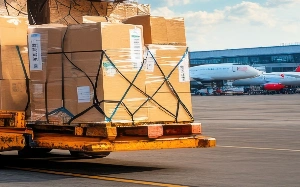
Air Freight Routes to Harare

Most cargo moves through regional hubs, not direct flights. Routing defines speed and reliability.
Shipping to Harare

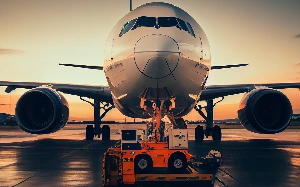
Transit Time to Harare

Delays are rarely about flight time. They happen at hubs and during arrival handling.
Shipping to Harare

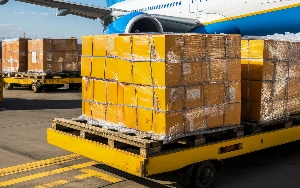
Air Freight Cost to Harare

Costs go beyond freight rates. Surcharges and destination fees shape the final price.
Shipping to Harare

Zimbabwe Customs

Clearance depends on accuracy. Small document errors can delay entire shipments.
Recent Articles

Shipping to Harare

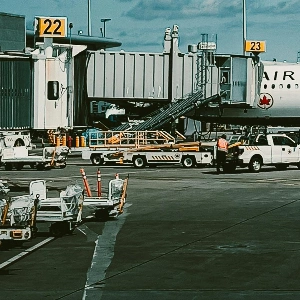
Cargo Handling in Harare: What Happens After Arrival

Once cargo arrives in Harare, handling efficiency becomes a defining factor. Limited capacity, processing time, and operational constraints at the airport can impact delivery timelines more than the flight itself.
Shipping to Harare

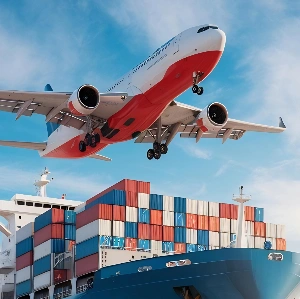
Air vs Sea Freight to Zimbabwe: Choosing the Right Method

Shipping to Zimbabwe requires balancing speed, cost, and risk. While air freight offers faster delivery, sea freight may provide cost advantages. Choosing the right method depends on cargo type, urgency, and overall logistics strategy.
Shipping to Harare

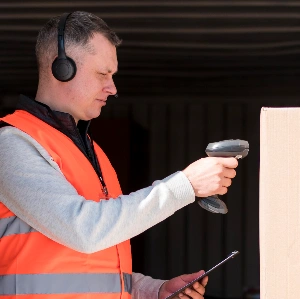
Shipping Documents to Harare: What You Need to Prepare

Accurate documentation is essential for successful shipping to Harare. Missing or incorrect paperwork can lead to delays, penalties, or cargo holds. Understanding required documents ensures smoother customs clearance and delivery.
Shipping to Harare

Restricted Goods in Zimbabwe: What You Cannot Ship

Not all goods can be shipped freely into Zimbabwe. Certain items are restricted or prohibited under local regulations. Identifying these restrictions early helps avoid compliance issues and potential shipment rejection.

Navigate Harare with Confidence

Air freight to Harare operates within a constrained logistics environment shaped by limited direct connectivity, dependency on regional airports, and unpredictable customs processes. This platform is designed to provide clarity—helping importers and logistics planners make informed decisions based on real constraints, not ideal scenarios.
Explore Air Freight Strategies to Harare

Copyright 2026 – All Rights Reserved By iousathemovie.com