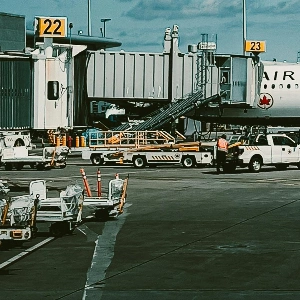
Shipping to Harare is not a simple origin-to-destination transaction. It is a structured logistics system shaped by global air cargo networks, regional hub dependency, and destination handling constraints.
For businesses and individuals moving goods into understanding how this system works is the difference between predictable delivery and costly disruption.
This guide breaks down the full structure of air freight into Harare—from routing and transit time to cost, customs clearance, and compliance—so decisions can be made with clarity rather than assumption.
Understanding the Air Freight System to Harare
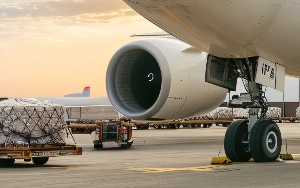
Air freight into Harare operates through a hub-and-spoke model. Very few shipments move directly. Instead, cargo is routed through major logistics hubs before reaching Zimbabwe.
To see how routing actually works in practice, explore Air Freight Routes to Harare, where hub dependency and cargo flow are explained in detail.
This structure exists because airlines optimize for capacity and network efficiency, not direct geographic distance.
Transit Time: Why It Is Not Fixed
Transit time to Harare is often misunderstood as a simple flight duration. In reality, it is a system outcome influenced by multiple stages, including hub transfers, handling, and customs clearance.
A deeper breakdown of how delays occur can be found in Transit Time to Harare, which explains why shipments rarely follow predictable timelines.
Understanding this variability is critical for planning and expectation management.
Air Freight Cost Structure Explained
The cost of shipping to Harare goes beyond the base freight rate. Fuel surcharges, handling fees, and destination charges all contribute to the final price.
For a complete cost breakdown, see Air Freight Cost to Harare, where each component is explained clearly.
Without understanding these layers, total cost is often underestimated.
Customs Clearance in Zimbabwe
Customs clearance is one of the most critical stages in the shipping process. Even when cargo arrives on time, delays at this stage can hold shipments indefinitely.
To understand how clearance works and how to avoid common issues, read Customs Clearance in Zimbabwe.
Accuracy in documentation and compliance determines how quickly cargo is released.
What Happens After Arrival in Harare
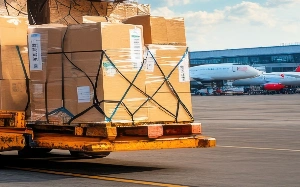
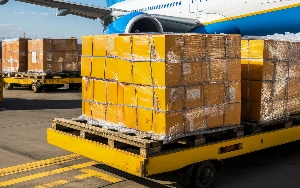
Arrival does not mean delivery. Once cargo lands, it enters a handling process at, where capacity and operational constraints can impact timelines.
See Harare Airport Cargo Handling to understand how ground operations affect delivery outcomes.
This stage is often overlooked but plays a major role in total transit time.
Air vs Sea Freight to Zimbabwe
Choosing between air and sea freight depends on speed, cost, and risk tolerance. Zimbabwe’s landlocked geography adds complexity to sea freight, requiring inland transport after port arrival.
A full comparison is available in Air vs Sea Freight to Zimbabwe, where both methods are evaluated in practical terms.
The right choice depends on the objective of the shipment.
Shipping Documents and Requirements
Documentation is the backbone of any shipment. Errors or inconsistencies can delay cargo regardless of how efficiently it moves through the network.
To ensure compliance, review Shipping Documents to Harare, which outlines required paperwork and common mistakes.
Accurate documentation reduces risk and speeds up clearance.
Restricted and Prohibited Goods
Not all goods can be shipped freely into Zimbabwe. Certain items require permits, while others are restricted or prohibited.
Before shipping, it is essential to understand these rules. See Restricted Goods in Zimbabwe for a clear breakdown.
Compliance at this stage prevents delays, penalties, and shipment rejection.
Strategic Insight: Shipping to Harare Is a System, Not a Shipment
The most common mistake in logistics planning is treating shipping as a single transaction. In reality, it is a system of interconnected processes—routing, handling, clearance, and compliance.
Each stage influences the next. Delays or inefficiencies at one point ripple through the entire chain.
Understanding this system allows for better decision-making, more accurate planning, and greater control over cost, time, and risk when shipping to Harare.
Final Perspective
Shipping to Harare is defined by structure, not distance. The shortest route is not always the fastest, and the lowest cost is not always the most efficient.
Those who understand how the system works gain a clear advantage—predictability, control, and fewer disruptions.
This is not about moving cargo. It is about managing a logistics system with precision.