


A practical knowledge hub for navigating air freight to Harare—covering routes, risks, customs, and cost decisions that actually impact delivery outcomes.

Ben Triggs is a global shipping specialist with nearly two decades of experience in freight movement to complex destinations like Harare. He provides practical, experience-driven insights on international logistics, customs strategy, and supply chain efficiency—cutting through theory to focus on what actually works.
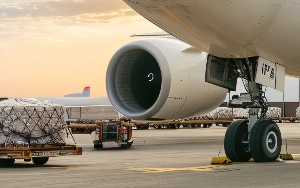
Choosing between air and sea freight to Zimbabwe is not just about speed or cost. It is a strategic decision shaped by cargo type, urgency, budget, and risk tolerance.
To understand how each method fits into the broader logistics system, it helps to view the full structure of shipping to Harare, where routing, handling, and clearance define the final outcome.
The most obvious difference between air and sea freight lies in delivery speed and pricing structure.
However, this simplified comparison does not fully capture the operational differences between the two.
Air freight typically delivers cargo within days, depending on routing and handling conditions. However, delays can still occur at hubs and during arrival processing.
Sea freight can take several weeks, especially for inland destinations like Harare, where additional land transport is required after port arrival.
This makes sea freight less suitable for time-sensitive shipments.
Air freight pricing is based on chargeable weight and includes surcharges, handling fees, and destination charges.
Sea freight is generally calculated per container or volume, making it more cost-effective for large shipments.
However, additional costs such as port handling, inland transport, and extended transit time should be considered.
Air freight offers higher reliability and reduced exposure to long transit risks. Cargo spends less time in transit, lowering the chance of damage or loss.
Sea freight involves longer transit times and multiple handling stages, increasing exposure to delays, weather disruptions, and port congestion.
Zimbabwe is a landlocked country, which affects how sea freight is handled. Cargo must first arrive at a seaport (such as Durban or Beira) before being transported inland to Harare.
This adds complexity, time, and additional cost layers compared to air freight.
The decision between air and sea freight is ultimately a trade-off between speed and cost, but also between flexibility and predictability.
Air freight offers faster turnaround and more predictable timelines, while sea freight provides cost efficiency at the expense of longer and more complex logistics chains.
There is no universally “better” option between air and sea freight. The right choice depends on aligning the shipping method with the specific objective of the shipment.
Understanding how each method integrates into the overall system of shipping to Harare allows for more effective decision-making and better control over cost, time, and risk.
Explore More

Most cargo moves through regional hubs, not direct flights. Routing defines speed and reliability.
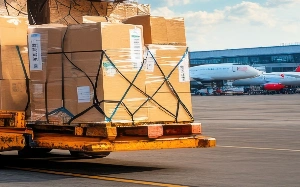
Delays are rarely about flight time. They happen at hubs and during arrival handling.
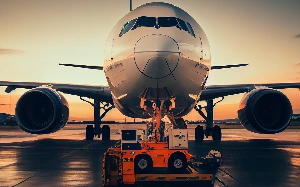
Costs go beyond freight rates. Surcharges and destination fees shape the final price.
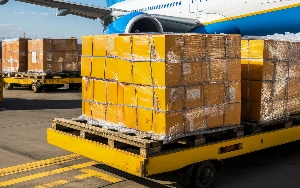
Clearance depends on accuracy. Small document errors can delay entire shipments.
Recent Articles

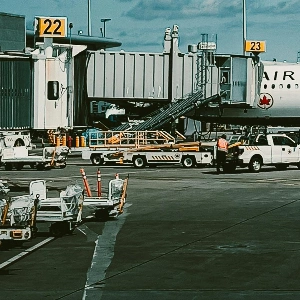
Once cargo arrives in Harare, handling efficiency becomes a defining factor. Limited capacity, processing time, and operational constraints at the airport can impact delivery timelines more than the flight itself.
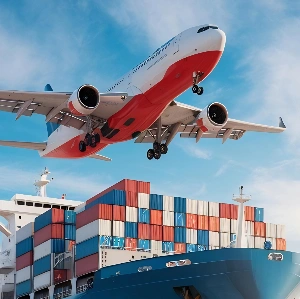
Shipping to Zimbabwe requires balancing speed, cost, and risk. While air freight offers faster delivery, sea freight may provide cost advantages. Choosing the right method depends on cargo type, urgency, and overall logistics strategy.

Accurate documentation is essential for successful shipping to Harare. Missing or incorrect paperwork can lead to delays, penalties, or cargo holds. Understanding required documents ensures smoother customs clearance and delivery.
Not all goods can be shipped freely into Zimbabwe. Certain items are restricted or prohibited under local regulations. Identifying these restrictions early helps avoid compliance issues and potential shipment rejection.