


A practical knowledge hub for navigating air freight to Harare—covering routes, risks, customs, and cost decisions that actually impact delivery outcomes.

Ben Triggs is a global shipping specialist with nearly two decades of experience in freight movement to complex destinations like Harare. He provides practical, experience-driven insights on international logistics, customs strategy, and supply chain efficiency—cutting through theory to focus on what actually works.
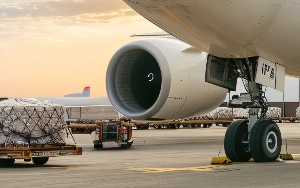
Air freight to Harare is not a point-to-point system. It operates through a layered logistics network shaped by airline capacity, hub dependency, and destination handling constraints.
Most cargo does not move directly into Harare, but instead flows through regional and global hubs before reaching its final destination. Understanding this structure is essential for anyone dealing with international shipping into Zimbabwe.
To understand how this entire system connects in real-world logistics practice, you can explore the broader operational framework of shipping to Harare by air freight.
Air cargo flows into Harare follow a hub-and-spoke model coordinated under global aviation frameworks such as International Air Transport Association (IATA).
Shipments begin in export countries where freight forwarders consolidate cargo and prepare airway bills for international transport.
Most cargo is routed through major logistics hubs including Dubai, Johannesburg, and Addis Ababa, where shipments are consolidated and reassigned based on airline capacity.
The primary international gateway is Robert Gabriel Mugabe International Airport in Harare, where cargo enters the national logistics system for processing and clearance.
After arrival, shipments undergo customs clearance and inland logistics coordination under Zimbabwe Revenue Authority (ZIMRA) regulations before final delivery.
Indirect routing is not inefficiency—it is structural necessity. Direct flights into Harare are limited due to airline network design, aircraft capacity optimization, and low direct cargo density.
As a result, routing efficiency depends more on hub selection than geographic distance.
Johannesburg plays a central role in Harare-bound cargo flows due to its strong consolidation infrastructure and regional connectivity.
It functions as a redistribution hub for Southern Africa shipments and often acts as the primary gateway into Zimbabwe when other routes are constrained.
Air freight routing into Harare is dynamic and changes based on cargo type, cost structure, airline schedules, and hub congestion levels.
Under ICAO aviation coordination standards, routing decisions are continuously optimized rather than fixed.
Delays are rarely caused by flight time itself. Instead, they occur at:
Air freight to Harare is defined by logistics networks rather than geography. Shortest routes are not always fastest, and cheapest routes are not always reliable.
Understanding this structure is critical before making any shipping decisions involving shipping to Harare.
Explore More

Most cargo moves through regional hubs, not direct flights. Routing defines speed and reliability.
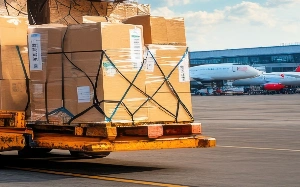
Delays are rarely about flight time. They happen at hubs and during arrival handling.
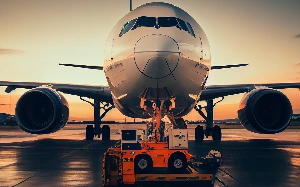
Costs go beyond freight rates. Surcharges and destination fees shape the final price.
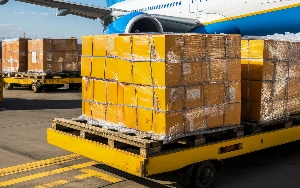
Clearance depends on accuracy. Small document errors can delay entire shipments.
Recent Articles

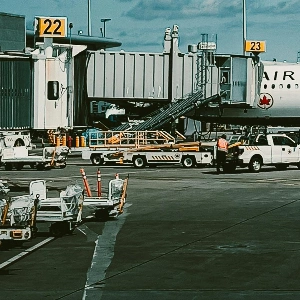
Once cargo arrives in Harare, handling efficiency becomes a defining factor. Limited capacity, processing time, and operational constraints at the airport can impact delivery timelines more than the flight itself.
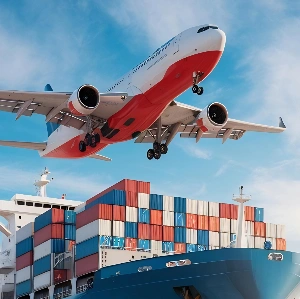
Shipping to Zimbabwe requires balancing speed, cost, and risk. While air freight offers faster delivery, sea freight may provide cost advantages. Choosing the right method depends on cargo type, urgency, and overall logistics strategy.

Accurate documentation is essential for successful shipping to Harare. Missing or incorrect paperwork can lead to delays, penalties, or cargo holds. Understanding required documents ensures smoother customs clearance and delivery.

Not all goods can be shipped freely into Zimbabwe. Certain items are restricted or prohibited under local regulations. Identifying these restrictions early helps avoid compliance issues and potential shipment rejection.