


A practical knowledge hub for navigating air freight to Harare—covering routes, risks, customs, and cost decisions that actually impact delivery outcomes.

Ben Triggs is a global shipping specialist with nearly two decades of experience in freight movement to complex destinations like Harare. He provides practical, experience-driven insights on international logistics, customs strategy, and supply chain efficiency—cutting through theory to focus on what actually works.
Shipping to Harare is not only about moving cargo—it is about moving documentation with precision. Incomplete or inaccurate paperwork is one of the most common reasons shipments are delayed, held, or rejected at destination.
To understand how documentation fits into the full process, it is important to see how it connects within shipping to Harare by air freight, where routing, handling, and customs clearance depend on document accuracy.
In air freight, documents are not secondary—they are the foundation of the shipment. Every stage of the logistics chain relies on correct information to process, verify, and release cargo.
Even minor inconsistencies can create delays that exceed the actual transit time of the shipment.
The following documents are typically required for air freight shipments into Zimbabwe:
This document provides details about the goods, including description, quantity, value, and seller/buyer information. It is used for customs valuation and duty calculation.
The packing list outlines how goods are packed, including weight, dimensions, and packaging structure. It supports cargo verification during handling and inspection.
The airway bill is the official transport document issued by the airline or freight forwarder. It serves as a contract of carriage and shipment tracking reference.
Certain goods require import permits or regulatory approval before entering Zimbabwe. These must be secured prior to shipment.
Depending on the type of cargo, additional documents may be needed:
Most delays related to documentation are caused by avoidable errors:
These issues often trigger additional checks, delaying clearance and release.
Customs authorities rely entirely on documentation to assess and approve shipments. If the documents are unclear or inconsistent, the shipment is flagged for further review.
This makes documentation accuracy one of the most controllable factors in reducing delays.
Even if cargo moves quickly through the air freight network, documentation errors can cause significant delays at destination.
In many cases, the time lost due to documentation issues exceeds the entire flight duration.
Shipping documents are not just administrative requirements—they define how the shipment is processed from origin to delivery.
Ensuring accuracy from the start reduces risk, improves clearance speed, and allows smoother coordination across the entire system of shipping to Harare.
Explore More

Most cargo moves through regional hubs, not direct flights. Routing defines speed and reliability.
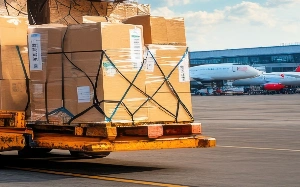
Delays are rarely about flight time. They happen at hubs and during arrival handling.

Costs go beyond freight rates. Surcharges and destination fees shape the final price.
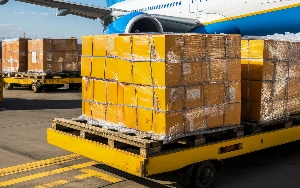
Clearance depends on accuracy. Small document errors can delay entire shipments.
Recent Articles

Once cargo arrives in Harare, handling efficiency becomes a defining factor. Limited capacity, processing time, and operational constraints at the airport can impact delivery timelines more than the flight itself.
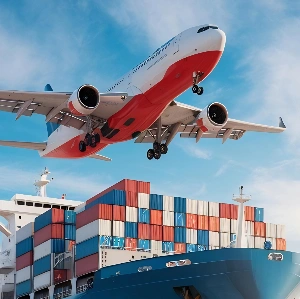
Shipping to Zimbabwe requires balancing speed, cost, and risk. While air freight offers faster delivery, sea freight may provide cost advantages. Choosing the right method depends on cargo type, urgency, and overall logistics strategy.

Accurate documentation is essential for successful shipping to Harare. Missing or incorrect paperwork can lead to delays, penalties, or cargo holds. Understanding required documents ensures smoother customs clearance and delivery.

Not all goods can be shipped freely into Zimbabwe. Certain items are restricted or prohibited under local regulations. Identifying these restrictions early helps avoid compliance issues and potential shipment rejection.