


A practical knowledge hub for navigating air freight to Harare—covering routes, risks, customs, and cost decisions that actually impact delivery outcomes.

Ben Triggs is a global shipping specialist with nearly two decades of experience in freight movement to complex destinations like Harare. He provides practical, experience-driven insights on international logistics, customs strategy, and supply chain efficiency—cutting through theory to focus on what actually works.
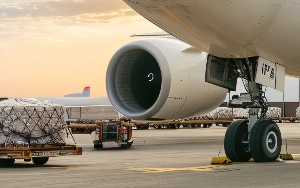
Air freight does not end when the aircraft lands. At :contentReference[oaicite:0]{index=0}, cargo enters a ground handling system that often has more impact on delivery timelines than the flight itself.
To understand how handling fits into the full logistics chain, it helps to see how each stage connects within shipping to Harare by air freight, where routing, arrival processing, and clearance operate as one system.
Many assume that once cargo arrives, delivery is immediate. In reality, handling capacity, processing queues, and operational limitations at the airport can create delays before customs even begins.
For shipments into Harare, this stage is a critical bottleneck.
Once an aircraft lands, cargo moves through a structured handling process before it becomes available for clearance and release.
Cargo is unloaded from the aircraft and transferred to the airport’s handling area. Timing depends on ground crew availability and aircraft scheduling.
Shipments are sorted and matched against documentation. Any discrepancies at this stage can delay further processing.
Cargo is placed in temporary storage while waiting for customs clearance or pickup. Limited storage capacity can create backlogs during peak periods.
Once clearance requirements are met, cargo is prepared for release and handover to the consignee or transport provider.
Compared to major global hubs, handling infrastructure in Harare operates under tighter capacity limits. These constraints can affect processing speed and reliability.
These factors make handling efficiency a key variable in total transit time.
Delays during handling are typically linked to operational pressure points rather than flight schedules.
Handling conditions can have a direct impact on certain types of shipments:
For these shipments, handling efficiency is as important as transit speed.
Cargo handling and customs clearance are closely connected. Delays in handling can push back clearance timelines, while documentation issues can cause cargo to remain in storage longer.
This overlap is why handling performance directly affects overall delivery outcomes.
One of the most common misconceptions in air freight is assuming that arrival equals completion. In reality, arrival marks the beginning of another critical stage.
Understanding how cargo is processed on the ground allows for better planning and more accurate expectations when arranging shipping to Harare.
Explore More

Most cargo moves through regional hubs, not direct flights. Routing defines speed and reliability.
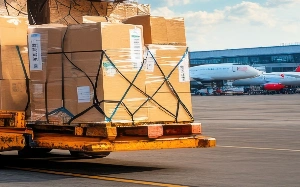
Delays are rarely about flight time. They happen at hubs and during arrival handling.
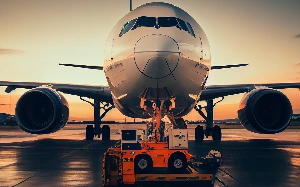
Costs go beyond freight rates. Surcharges and destination fees shape the final price.
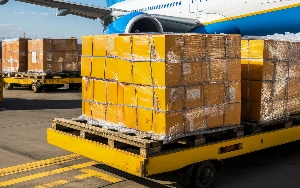
Clearance depends on accuracy. Small document errors can delay entire shipments.
Recent Articles

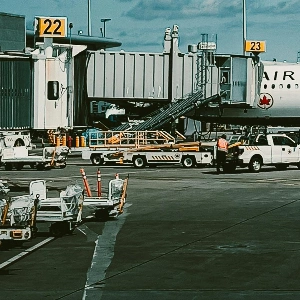
Once cargo arrives in Harare, handling efficiency becomes a defining factor. Limited capacity, processing time, and operational constraints at the airport can impact delivery timelines more than the flight itself.
Shipping to Zimbabwe requires balancing speed, cost, and risk. While air freight offers faster delivery, sea freight may provide cost advantages. Choosing the right method depends on cargo type, urgency, and overall logistics strategy.

Accurate documentation is essential for successful shipping to Harare. Missing or incorrect paperwork can lead to delays, penalties, or cargo holds. Understanding required documents ensures smoother customs clearance and delivery.

Not all goods can be shipped freely into Zimbabwe. Certain items are restricted or prohibited under local regulations. Identifying these restrictions early helps avoid compliance issues and potential shipment rejection.