


A practical knowledge hub for navigating air freight to Harare—covering routes, risks, customs, and cost decisions that actually impact delivery outcomes.

Ben Triggs is a global shipping specialist with nearly two decades of experience in freight movement to complex destinations like Harare. He provides practical, experience-driven insights on international logistics, customs strategy, and supply chain efficiency—cutting through theory to focus on what actually works.
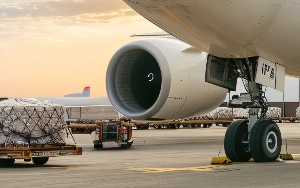
Not all goods can be freely shipped into Harare. Zimbabwe enforces import regulations that restrict or prohibit certain items, and failure to comply can result in delays, penalties, or complete shipment rejection.
To understand how restrictions affect the overall process, it is important to see how compliance fits within shipping to Harare by air freight, where documentation, clearance, and regulatory approval are tightly connected.
Import restrictions are designed to control the flow of goods into the country, protect local industries, and ensure safety and regulatory compliance.
These rules are enforced by authorities such as the Zimbabwe Revenue Authority (ZIMRA) and other regulatory bodies.
Goods entering Zimbabwe generally fall into three categories:
These items are not allowed into the country under any circumstances. Attempting to import them can result in confiscation or legal consequences.
These goods require permits, licenses, or special approvals before they can be imported. Without proper authorization, shipments will be held or rejected.
These items are allowed but subject to strict regulation, including inspections and compliance checks.
While regulations can change, the following categories are commonly restricted or controlled:
Each category may require specific permits or documentation before shipment.
For restricted goods, import permits are mandatory. These permits must be obtained before the shipment is dispatched, not after arrival.
Failure to secure permits in advance is one of the most common reasons shipments are delayed or denied entry.
If restricted goods arrive without proper documentation or authorization, several outcomes are possible:
These scenarios can significantly increase cost and disrupt delivery timelines.
Import restrictions directly affect both transit time and cost. Additional inspections, permit verification, and compliance checks can extend clearance timelines and add extra charges.
This is why regulatory compliance must be considered before shipment planning begins.
Proactive compliance reduces the risk of delays and unexpected costs.
In air freight to Harare, compliance is not optional—it is a determining factor in whether a shipment succeeds or fails.
Understanding which goods are restricted and preparing accordingly ensures smoother operations within the broader system of shipping to Harare.
Explore More

Most cargo moves through regional hubs, not direct flights. Routing defines speed and reliability.
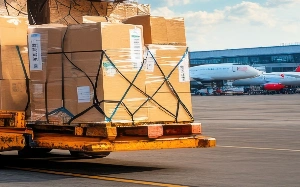
Delays are rarely about flight time. They happen at hubs and during arrival handling.

Costs go beyond freight rates. Surcharges and destination fees shape the final price.
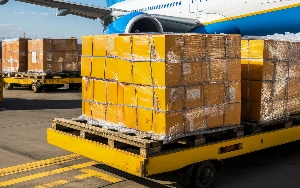
Clearance depends on accuracy. Small document errors can delay entire shipments.
Recent Articles

Once cargo arrives in Harare, handling efficiency becomes a defining factor. Limited capacity, processing time, and operational constraints at the airport can impact delivery timelines more than the flight itself.
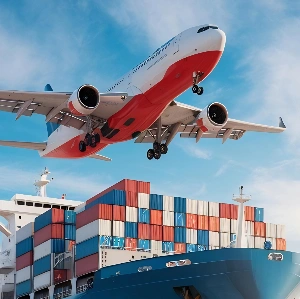
Shipping to Zimbabwe requires balancing speed, cost, and risk. While air freight offers faster delivery, sea freight may provide cost advantages. Choosing the right method depends on cargo type, urgency, and overall logistics strategy.

Accurate documentation is essential for successful shipping to Harare. Missing or incorrect paperwork can lead to delays, penalties, or cargo holds. Understanding required documents ensures smoother customs clearance and delivery.

Not all goods can be shipped freely into Zimbabwe. Certain items are restricted or prohibited under local regulations. Identifying these restrictions early helps avoid compliance issues and potential shipment rejection.